
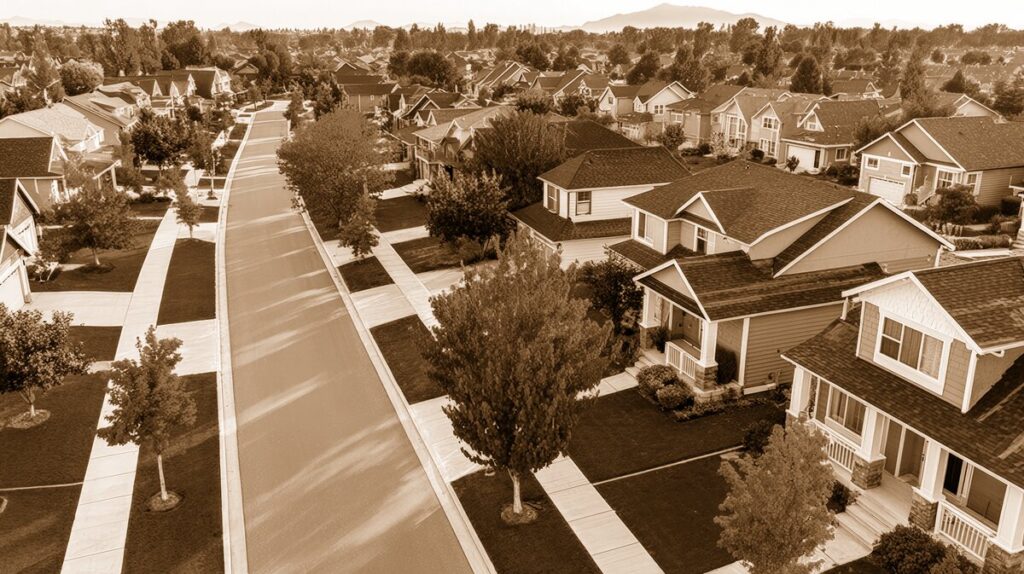
Nestled amidst the scenic landscapes of Cedar Hill, the Bryan Place neighborhood stands as a testament to the area’s rich tapestry of history, character, and community spirit. Whether you’re strolling along its winding streets or sharing stories at a local gathering, you’ll find that Bryan Place holds a unique charm—one rooted in generations of perseverance and pride.
Origins: A Neighborhood is Born
Bryan Place traces its origins back to the late 19th century, during a period when Cedar Hill was blossoming into a close-knit agricultural community. The land that would eventually become Bryan Place was originally part of sprawling Texas prairie, dotted with native wildflowers and bordered by the gentle rise of Cedar Hill’s famous escarpment.
The neighborhood’s name honors the Bryan family, early settlers who played an instrumental role in shaping Cedar Hill’s growth. As pioneers, the Bryans cultivated farmland, built homesteads, and established deep ties within the local fabric. Their legacy echoes in the streets today, embodying the values of hard work and neighborliness.
How Bryan Place Got Its Name
Much of Cedar Hill’s landscape bears the mark of its founding families, and Bryan Place is no exception. The Bryan name is a fixture in local history records, referencing not only the family’s influence but also their enduring community involvement. The area was officially designated Bryan Place as new streets and homes began to rise around what is now Bryan Place Drive, just southwest of downtown Cedar Hill. This formal naming occurred in the mid-20th century, a nod to both heritage and the neighborhood’s bright future.
Key Historical Milestones
Bryan Place has witnessed—and contributed to—some of Cedar Hill’s most pivotal moments:
- The Arrival of the Railroad (1880s): The expansion of the rail line placed Cedar Hill on the map, bringing new residents and bolstering local commerce. Bryan Place quickly became a desirable residential area for railroad workers and their families, thanks to its close proximity to the tracks and downtown.
- The Great Storm of 1856 Remembered: Though the infamous tornado predates the neighborhood’s official establishment, stories of resilience from that time are often recounted by longtime Bryan Place residents. The spirit of rebuilding after hardship is reflected in the neighborhood’s tightly knit community.
- Modern Growth and Development (1970s–1990s): As Cedar Hill’s population boomed, Bryan Place expanded with thoughtfully planned cul-de-sacs and cozy homes. Neighbors organized street festivals, and parks such as Dot Thomas Park became community gathering spots—a tradition that still thrives today.
Notable Landmarks and Institutions
Bryan Place may be primarily residential, but it’s never far from places that bring folks together or spark curiosity:
- Bryan Place Park: A beloved pocket park that offers shade, outdoor benches, and a safe, welcoming spot for children to play. In spring, the azaleas and redbuds create a stunning display, reminding all who visit of nature’s simple joys.
- Historic Homes Along Bryan Place Drive and Maplewood Street: Some of the neighborhood’s earliest homes are lovingly maintained or have seen tasteful renovations, their wide porches and mature oaks echoing days gone by.
- Proximity to Cedar Hill State Park: Just a short drive to the west, this expansive park has always offered recreation and beauty to Bryan Place residents, forming part of the neighborhood’s rhythm with nature.
- Dot Thomas Park: Situated near the neighborhood’s boundary, Dot Thomas Park is a favorite for weekend activities, picnics, and community clean-up days.
Evolution Over the Decades
The story of Bryan Place is one of steady evolution—never sudden, always graceful. In its early years, streets were lined with modest wood-framed homes, many built by returning veterans or young families planting their roots in the postwar era. Through the 1980s and 1990s, the neighborhood embraced a blend of newer construction while preserving mature trees and green spaces, recognizing that growth need not come at the expense of charm.
Today, Bryan Place stands as a diverse neighborhood where original residents and newcomers alike share in traditions old and new. Annual block parties and holiday parades foster neighborly connections, while social media groups echo the friendly, helpful conversations that once took place exclusively over backyard fences.
A walk down Bryan Place Drive reveals this blend of past and present: lovingly restored cottages, new builds designed to complement the established style, and gardens that burst with local color.
What Makes Bryan Place Special
Ask any longtime resident what makes Bryan Place unique, and you’re sure to receive a heartfelt response. The answer always circles back to community—of people watching out for one another, lending helping hands, and taking pride in where they live.
Bryan Place’s proximity to Cedar Hill’s downtown shops and restaurants adds a layer of convenience, while still offering the peace and quiet that defines suburban life. And with a legacy tied to the earliest days of Cedar Hill, living here carries a palpable sense of history. It’s seen in every oak-shaded lawn, every friendly wave from a porch, and every child’s laughter echoing down the street.
In Bryan Place, the past is not only remembered—it’s lived daily, carried forward by those who continue to call it home.
Conclusion
Bryan Place is more than just a place on the map. It’s a living, breathing community shaped by its history, enriched by its heritage, and made special by the people who nurture it. With deep roots, proud traditions, and a vision for the future, Bryan Place shines as one of Cedar Hill’s true gems.